
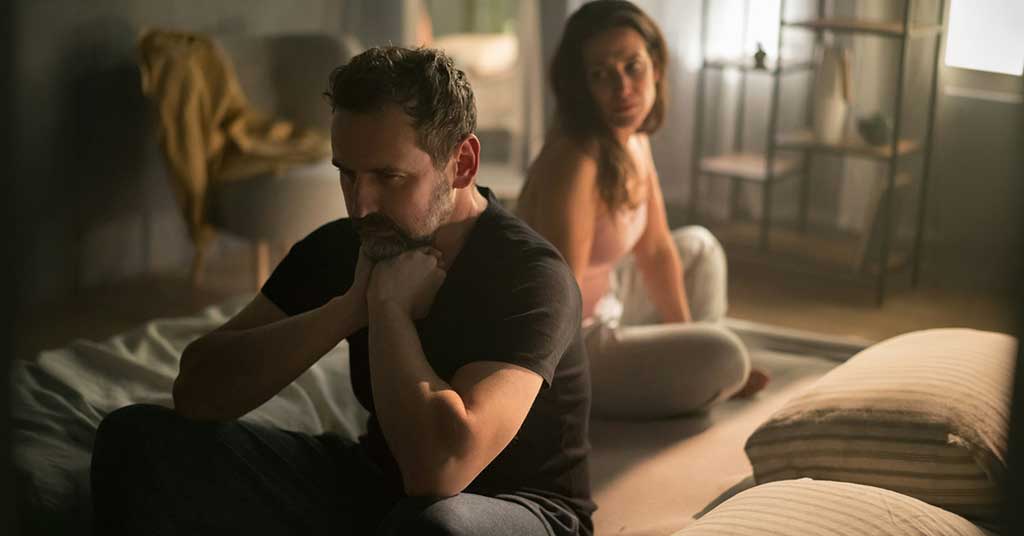
The hardest part of divorce isn’t letting go of the past. It’s choosing to build the future you deserve
Divorce is rarely as simple as it appears online or in popular culture. Social media often highlights either bitter conflict or picture-perfect new beginnings. The reality is usually much more complicated.
Recovery comes in waves. Some days you’ll feel optimistic about the future. Other days, grief, uncertainty or anger may return without warning. That’s a normal part of adjusting to one of life’s biggest transitions.
Many people facing divorce think, “I never imagined I’d have to navigate something like this before. Everything feels unfamiliar, and I’m not sure life will ever feel normal again.”
Those feelings are more common than you might think.
Divorce changes more than your relationship status. It can affect your finances, daily routines, friendships and family relationships. But perhaps the greatest change is one that’s harder to see. Divorce often leaves us asking, “Who am I now?”
Few of us expect to reach a point where we have to ask ourselves who we are outside a relationship we believed would last.
That’s where recovery truly begins. A court can end a marriage, but only you can rebuild the life that follows. The end of a marriage is painful, but rebuilding yourself is what ultimately shapes the future.
That begins by allowing yourself to grieve.
Divorce is a genuine loss. You’re grieving not only the relationship itself but often the future you imagined, the routines you shared and the life you expected to build together.
Grief rarely follows a straight line. You may feel hopeful one week and overwhelmed the next. That doesn’t mean you’re moving backward. Healing isn’t measured by steady progress but by your willingness to keep moving, even when the path feels uncertain.
As the intensity of those emotions gradually eases, another question begins to emerge. Rather than asking, “Who am I now?” you may find yourself asking something even more important: “If my marriage no longer defines me, what do I want to be known for now?”
You don’t have to answer that question immediately. Your answer will probably change over time. What matters is giving yourself permission to discover it.
Relationships naturally shape us. We develop shared routines and often begin thinking of ourselves primarily as part of a couple. After divorce, however, there is an opportunity to reconnect with the person you are apart from the relationship.
Perhaps you’ll return to interests that once brought you joy, reconnect with old friends, volunteer in your community or simply spend a Saturday doing something because you enjoy it, not because someone else expects it. The life you build may look very different from the one you once imagined, but different doesn’t have to mean diminished.
If you doubt your ability to rebuild, remember that this probably isn’t the first time life has changed who you are.
Perhaps you’ve recovered from the loss of a job, moved to an unfamiliar community or experienced the death of someone you loved. Each required you to adapt, grow and discover abilities you may not have realized you possessed.
Divorce is no different. The question isn’t whether you’ll change, but how intentionally you’ll choose to do it.
Rebuilding a life doesn’t happen through one dramatic decision. It happens through hundreds of small choices, and those choices are shaped by what matters most to us.
Divorce can feel like driving through dense fog. The road ahead isn’t always clear, and emotions can tempt us to react in ways we’ll later regret. Values such as honesty, kindness, patience and integrity don’t remove the uncertainty, but they provide a dependable guide when emotions cloud our judgment.
Before responding to a difficult email, making an important financial decision or having a difficult conversation, pause and ask yourself a simple question: “Will this choice reflect the person I want to become?” Decisions grounded in your values are far more likely to bring peace because they reflect your future, not simply your emotions in the moment.
Rebuilding yourself often begins with surprisingly ordinary things. Taking a morning walk. Meeting a friend for coffee. Returning to a favourite hobby. These small routines won’t erase the pain, but over time they create something just as important: a life that begins to feel like your own again.
Recovery isn’t a race, and there’s no timetable for healing. Comparing yourself with someone else’s journey rarely helps. Offer yourself the same patience and understanding you would give a close friend. Self-compassion isn’t making excuses. It’s recognizing that healing takes time.
None of us rebuilds a life entirely alone.
Trusted friends and family can offer perspective when emotions become overwhelming. Counsellors and therapists can help us process grief and regain confidence. Support groups remind us that others have travelled this road and discovered that recovery is possible.
If children are involved, rebuilding your own life also means helping them feel secure as theirs changes. Respectful communication, consistency and reassurance can make an enormous difference as they adapt to a new family reality.
Periods of intense emotion are rarely the best time to make major financial or life decisions. Whenever possible, allow yourself time to think clearly before making choices that will shape your future.
As your new life gradually begins to take shape, many people discover something else quietly returns: hope.
Hope isn’t something you have to force. It often grows naturally as you begin making choices that reflect your values, reconnect with people who matter and experience small successes along the way. For some people, hope is strengthened by faith. Others find it through family, trusted friends, meaningful work, time in nature or simply the knowledge that they have rebuilt difficult seasons before.
Recovery isn’t about becoming the person you were before the marriage. It’s about becoming someone wiser because of what you’ve lived through.
Divorce may mark the end of a marriage, but it doesn’t mark the end of your story. It simply asks a new question: “Who do I want to become now?”
Recovery doesn’t happen all at once. It happens one decision, one new routine, one meaningful conversation and one small act of courage at a time. Eventually, those ordinary moments become something extraordinary. They become a life that reflects your values, your experiences and the person you’ve chosen to become.
In time, you may discover that recovery isn’t measured by the day you stop grieving. It’s measured by the day you realize you no longer define yourself by the marriage that ended, but by the life you’ve built since. That is the quiet gift hidden within recovery: not that divorce happened, but that you found the courage to become authentically yourself.
Faith Wood is a professional speaker, author, and certified professional behaviour analyst. Before her career in speaking and writing, she served in law enforcement, which gave her a unique perspective on human behaviour and motivations. Faith is also known for her work as a novelist, with a focus on thrillers and suspense. Her background in law enforcement and understanding of human behaviour often play a significant role in her writing.
Explore more on Divorce, Family, Relationships, Grief
The views, opinions, and positions expressed by our columnists and contributors are solely their own and do not necessarily reflect those of our publication.
Troy Media empowers Canadian community news outlets by providing independent, insightful analysis and commentary. Our mission is to support local media in helping Canadians stay informed and engaged by delivering reliable content that strengthens community connections and deepens understanding across the country.


Absolutely, it’s so true that the biggest hurdle is often deciding to create a new chapter for yourself, not dwelling on what’s lost.